
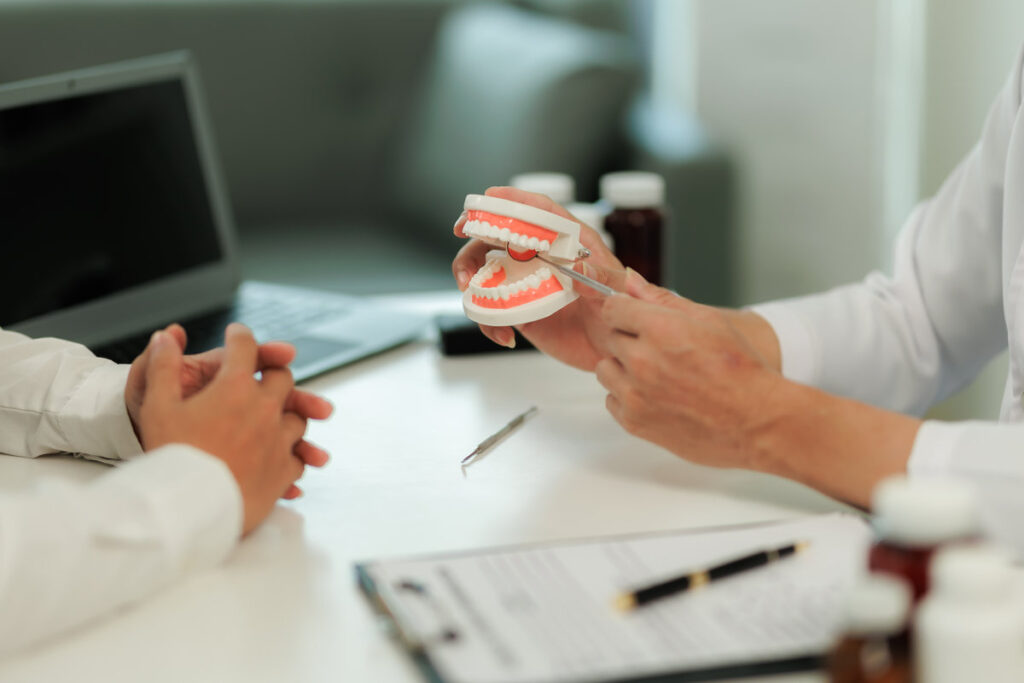
Full arch dental implant recovery requires careful attention and patience, but most patients return to normal activities within a few weeks while their implants complete the healing process over several months. The timeline varies based on individual health factors, surgical complexity, and whether bone grafting was needed alongside implant placement.
At Middlesex Periodontics & Dental Implants, Dr. Daniel Reich brings over 25 years of experience as a board-certified periodontist to guide patients through every stage of recovery. As Director and Associate Professor of Periodontics at Touro College of Dental Medicine, he combines advanced surgical techniques with personalized aftercare protocols to help patients achieve optimal healing and long-term success with their new teeth.
The first two days following full arch implant surgery represent the most critical phase of your recovery. During this period, you can expect some swelling, minor bleeding, and discomfort around the surgical sites. Applying ice packs to your face in 20-minute intervals helps minimize swelling and provides comfort. Most patients manage pain effectively with prescribed medications or over-the-counter options recommended by their periodontist.
Your body’s natural response to surgery includes inflammation, which typically peaks around the third day before gradually subsiding. Keeping your head elevated, even while sleeping, reduces blood flow to the surgical area and decreases swelling. Avoid touching the surgical sites with your tongue or fingers, as this can introduce bacteria and disrupt healing.
Rest remains essential during these first days. Plan to take at least two to three days off from work or demanding activities. While you might feel ready to resume normal routines quickly, giving your body time to heal prevents complications and supports proper integration of the implants with your jawbone.
Dr. Reich schedules patients to return the day after surgery for temporary restoration placement. This streamlined approach allows him to evaluate your initial healing and ensure optimal comfort from the start. The high-quality temporary prosthetics Dr. Reich provides offer superior comfort and function compared to standard temporaries, allowing you to speak and eat more naturally during the healing period.
This next-day visit represents an essential checkpoint in your recovery. Dr. Reich checks the surgical sites, addresses any concerns, and makes adjustments to ensure your temporary restoration fits properly. This personalized attention lays the foundation for long-term success.
Your diet plays a significant role in recovery success. For the first week, stick to soft foods that require minimal chewing. Smoothies, yogurt, mashed potatoes, scrambled eggs, and protein shakes provide necessary nutrition without stressing your healing tissues. Cold foods also offer soothing relief from any residual discomfort.
As healing progresses, you can gradually introduce slightly firmer textures, but avoid hard, crunchy, or sticky foods for at least six to eight weeks. Hot foods and beverages should be consumed cautiously, as proper care after implant placement protects your investment. Foods like nuts, popcorn, chips, and tough meats can dislodge temporary restorations or irritate surgical sites.
Maintaining proper oral hygiene becomes more important than ever during recovery, though your approach will differ from your normal routine. For the first 24 hours, avoid vigorous mouth rinsing or brushing near the surgical sites. After this initial period, gentle rinsing with warm salt water helps keep the area clean and promotes healing.
Your periodontist will provide specific post-operative instructions about when to resume gentle brushing and which areas require extra caution. Clean your temporary restoration carefully, following the provided guidelines. Proper hygiene prevents infection while supporting tissue healing around your new implants.
While some discomfort is normal, certain symptoms warrant immediate contact with your periodontist. Excessive bleeding that doesn’t subside with gentle pressure, severe pain unrelieved by prescribed medications, or signs of infection like fever, increasing swelling, or foul-smelling drainage all require prompt evaluation. According to the National Library of Medicine, dental implants have a 95% success rate, and addressing concerns quickly helps maintain this high standard.
The visible healing you notice in the first few weeks represents just the beginning of the implant integration process. Osseointegration, where your jawbone fuses with the titanium implants, continues for three to six months. During this time, you’ll wear temporary prosthetics that allow you to speak and eat normally while protecting the implants underneath.
Follow-up appointments allow your periodontist to monitor healing progress and make any necessary adjustments to your temporary teeth. These visits ensure proper alignment and function before your permanent restoration is placed. Most patients find they adapt quickly to their temporary teeth and experience minimal disruption to their daily lives.
Physical activity restrictions help protect your healing implants during the critical early weeks. Avoid strenuous exercise, heavy lifting, or activities that significantly elevate your heart rate for at least one week following surgery. These activities increase blood pressure and can trigger bleeding or swelling at surgical sites.
Habits like smoking or alcohol consumption significantly impair healing and reduce implant success rates. Nicotine restricts blood flow to healing tissues, while alcohol can interfere with prescribed medications and delay recovery. If you smoke, your periodontist can provide resources to help you quit, as this dramatically improves your chances of long-term implant success.
Protect your investment by wearing any protective appliances recommended during contact sports or activities that risk facial impact. While full arch dental implants are remarkably stable once healed, proper precautions during recovery ensure optimal results.
Full arch dental implant recovery requires commitment and patience, but the reward of a complete, functional smile makes the process worthwhile. Dr. Reich’s extensive training at the University of Pennsylvania School of Dental Medicine and his specialty certification from SUNY Stony Brook, combined with his role as a Diplomate of the American Board of Periodontology, ensure you receive the highest standard of surgical care and post-operative support. Our practice provides every surgical patient with Dr. Reich’s cell phone number, offering peace of mind throughout their recovery.
Whether you’re considering full arch implants or have questions about the recovery process, our team in East Brunswick provides comprehensive evaluations and honest treatment recommendations tailored to your specific needs. Contact us today to schedule your consultation and learn how full arch dental implants can restore your confidence and oral health.