
Only 50 and Losing All Your Teeth: What Went Wrong?
For many people, the idea of losing all their teeth belongs to old age, the distant future and not the middle of life. But for a growing number of adults

For many people, the idea of losing all their teeth belongs to old age, the distant future and not the middle of life. But for a growing number of adults
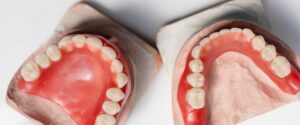
Living with dentures should not mean living with constant discomfort. If you have found yourself applying more and more adhesive just to get through a single meal, or noticing that

Baby Boomers have always done things differently. This is the generation that redefined what it means to stay active, healthy, and engaged well into later life. When it comes to
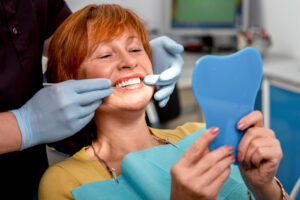
You catch your reflection in a store window and pause. The face looking back seems a little more tired, a little more sunken, than the one you remember. Deeper lines

You have paid for the crown, then the root canal, then the bridge that never quite fit right. Each procedure promised to be the last one, yet within a year
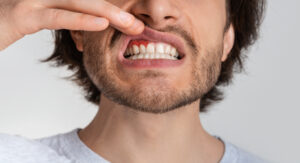
Bleeding when you brush is not a normal part of a healthy mouth, and neither is a nagging bad taste that will not go away. Small warning signs like these

Imagine sitting down at a family dinner and mentally mapping the table, not for what looks delicious, but for what you can safely chew. Corn on the cob is off

Tooth loss affects far more older adults than most people realize, and in most cases, it is entirely preventable. For many seniors, the conditions that lead to losing teeth develop
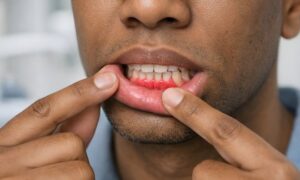
Traditional dentures have a limited lifespan, and continuing to wear ones that no longer fit properly can cause more harm than you might think. Persistent irritation, slipping while eating or
If you’ve started avoiding certain foods, cutting your meals into smaller pieces, or quietly dreading mealtimes because chewing has become uncomfortable, something is telling you to pay attention. Difficulty eating