Understanding Jawbone Loss and Deterioration: Causes and Solutions

Reasons for Jawbone Loss and Deterioration

Jawbone loss is a serious oral health concern that can affect the structure of your face, the stability of your teeth, and your ability to receive dental implants. The jawbone requires constant stimulation to maintain its density and strength. When that stimulation is lost—whether due to missing teeth, trauma, or disease—the bone begins to weaken and shrink. Fortunately, bone grafting procedures can restore lost bone, allowing patients to regain oral function and preserve their facial structure.

At Middlesex Periodontics & Dental Implants, PC, Dr. Daniel Reich specializes in treating jawbone deterioration with advanced bone grafting techniques. Our goal is to help you maintain a healthy foundation for your teeth and dental implants while improving your overall oral health.
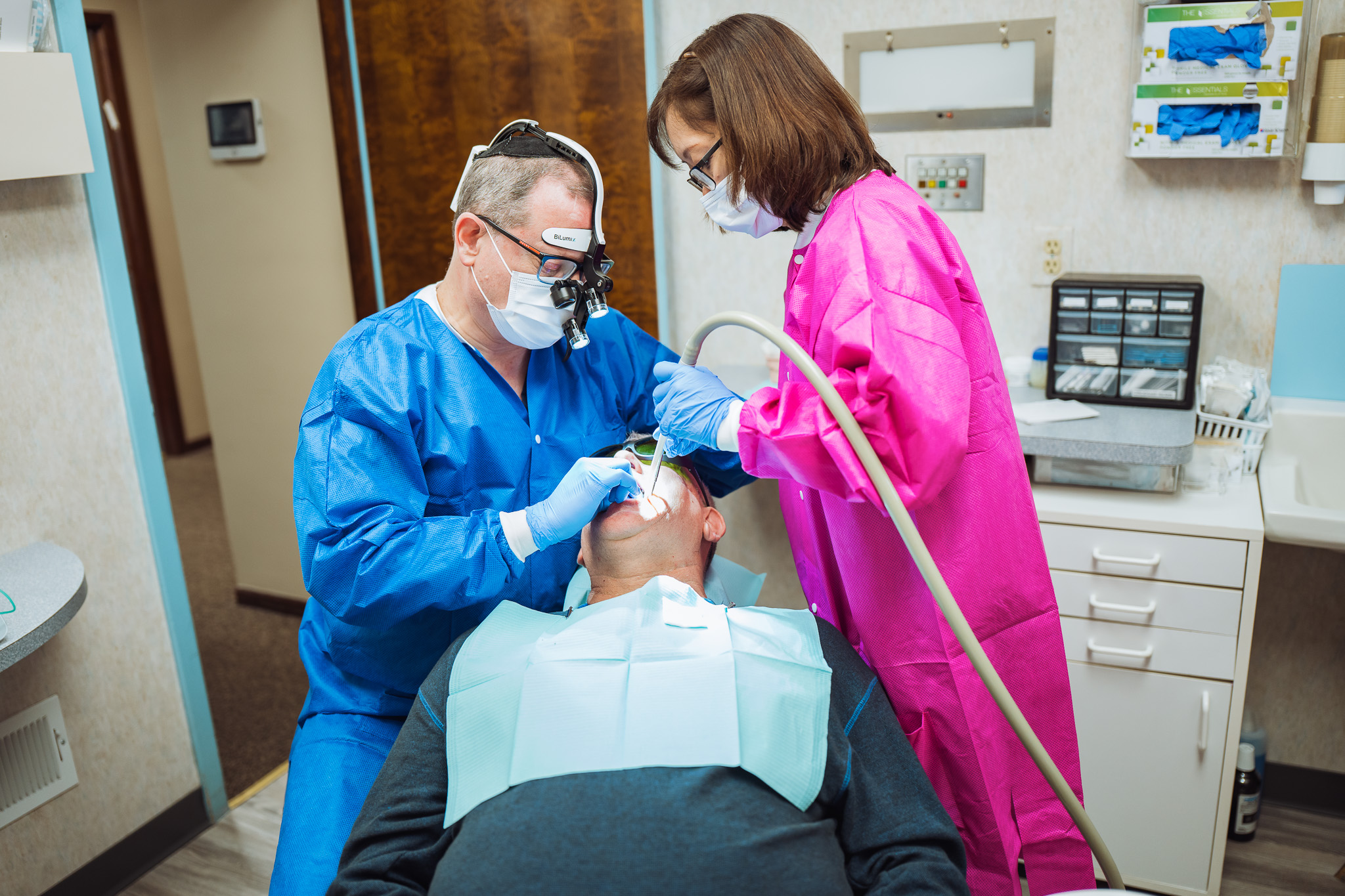
Your dentist at work

How Tooth Loss Contributes to Bone Deterioration

One of the leading causes of jawbone loss is missing teeth. Natural teeth are embedded in the jawbone and provide the stimulation needed to keep the bone healthy. When a tooth is removed and not replaced, the alveolar bone—the part of the jaw that holds teeth in place—begins to resorb, or break down. The majority of bone loss occurs within the first 18 months of losing a tooth, but the deterioration continues over time. This can lead to further dental issues, such as difficulty chewing, shifting teeth, and changes in facial appearance. Bone grafting can rebuild the lost bone, ensuring a strong foundation for future dental implants.

The Link Between Periodontal Disease and Jawbone Damage

Gum disease is another major factor in jawbone deterioration. Periodontitis, an advanced form of gum disease, affects the tissues and bones that support teeth. As the condition progresses, it destroys the alveolar bone, leading to tooth loss and further bone damage.

Plaque buildup is the primary cause of gum disease, and without proper oral hygiene, bacteria produce toxins that inflame and damage the gums. As the gum tissue recedes, pockets form between the teeth and gums, allowing bacteria to spread deeper. If left untreated, this leads to the loss of bone structure. Scaling and root planing, periodontal maintenance, and bone grafting can help restore oral health and prevent further bone loss.

How Dentures and Bridgework Affect Jawbone Health

Traditional dentures and some bridgework can contribute to jawbone deterioration over time. Unanchored dentures sit on top of the gums and do not stimulate the underlying bone, leading to gradual bone resorption. As the bone shrinks, dentures can become loose and uncomfortable, making it difficult to eat and speak properly.
Bridgework, while offering some stability, only stimulates the bone where natural teeth remain. The portion of the bridge that spans the missing tooth does not engage the bone, leading to resorption in that area. Dental implants provide a long-term solution by integrating with the jawbone, preventing bone loss, and offering superior stability compared to traditional dentures and bridges.

Take Control of Your Oral Health
Skip the referral and schedule directly with Dr. Reich, a board-certified periodontist with over 30 years of experience. Affordable payment plans available.

How Trauma and Injuries Lead to Bone Loss

Jawbone loss is not always a gradual process—sometimes, it occurs due to trauma. Accidents, sports injuries, or falls can knock out teeth or fracture the jawbone. When a tooth is lost or severely damaged, the surrounding bone loses stimulation, causing it to shrink over time.

In some cases, a tooth that was injured years earlier may die, leading to hidden bone deterioration. Bone grafting procedures can restore the affected area, rebuilding lost bone and making it possible to receive dental implants or other restorative treatments.

The Role of Misalignment in Jawbone Deterioration

When teeth are not properly aligned, certain areas of the jaw may receive excessive force while others receive none at all. Unopposed teeth—those that do not have a counterpart to bite against—can over-erupt, leading to increased stress on the jawbone and causing deterioration.
Other factors, such as TMJ disorders, excessive teeth grinding, and untreated orthodontic issues, can contribute to abnormal wear and tear on the jawbone. Orthodontic treatments, night guards, and targeted interventions can help balance bite forces and prevent further damage.

How Osteomyelitis Leads to Jawbone Loss

Osteomyelitis is a serious bacterial infection that affects the bone and bone marrow. This condition can cause inflammation, leading to reduced blood supply and bone destruction. Treatment typically involves antibiotics and, in severe cases, surgical removal of the infected bone.
Following the removal of infected bone, a bone grafting procedure may be necessary to restore lost structure and function. This ensures that patients can regain strength in their jaw and prevent further complications.

The Impact of Tumors on Jawbone Structure

Benign and malignant tumors can affect the jawbone, sometimes requiring the removal of a section of the bone. Benign tumors, while non-cancerous, may grow large enough to weaken or displace bone. Malignant tumors, on the other hand, can spread into the jaw, making bone removal necessary for effective treatment.
In both cases, reconstructive bone grafting can help restore function and stability after tumor removal. For cancer patients, additional considerations may be needed if surrounding soft tissues have also been affected by the treatment process.

Developmental Deformities and Jawbone Deficiencies

Certain congenital conditions can cause parts of the jawbone to be underdeveloped or missing altogether. Birth defects or syndromes that affect facial bone growth can result in asymmetrical jaw structure and difficulty with chewing or speaking.

In such cases, bone grafting procedures can help restore missing bone and improve jaw function. Custom treatment plans are developed based on the patient’s specific needs, ensuring that both function and aesthetics are addressed.

How Sinus Issues Contribute to Jawbone Loss

When upper molars are removed, the maxillary sinus—the air-filled cavity in the upper jaw—may expand due to lack of bone support. This process, called sinus pneumatization, can lead to insufficient bone height for dental implants. A sinus lift procedure can correct this issue by adding bone to the area, ensuring a stable foundation for implants. This treatment is particularly important for patients who want to replace missing upper teeth with dental implants.

Rebuilding Jawbone Health with Bone Grafting

About Dr. Daniel Reich
Picture of Daniel Reich, DMD, Diplomate, American Board of Periodontology
Daniel Reich, DMD, Diplomate, American Board of Periodontology

Dr. Daniel Reich is a board-certified periodontist with over 30 years of specialized experience in periodontal care and dental implantology. As a Diplomate of the American Board of Periodontology, he brings advanced expertise to every procedure at Middlesex Periodontics & Dental Implants. Dr. Reich earned his Doctor of Dental Medicine (D.M.D.) from the University of Pennsylvania School of Dental Medicine and completed his Specialty Certificate in Periodontics at SUNY Stony Brook. He currently serves as Director and Associate Professor of Periodontics at Touro College of Dental Medicine, where he trains future dental specialists while staying at the forefront of the latest periodontal techniques and technology.

Insurance & Financing Options

We make quality periodontal care affordable with flexible payment options.

Dental Insurance

We participate with Delta Dental Premier and Cigna PPO and work with many dental PPO plans. We files claims on your behalf and provides benefit estimates before treatment.

Flexible Financing

We offer financing through Cherry Financing and other trusted partners, allowing you to break down treatment costs into manageable monthly payments that fit your budget.

Questions? Call us at 732-257-7300 to discuss your insurance coverage and financing options.

Our Latest 5-Star Reviews
Visit Your East Brunswick Periodontist

Looking for an experienced periodontist in East Brunswick, NJ? Dr. Daniel Reich and our team at Middlesex Periodontics & Dental Implants provide expert periodontal care and dental implant services to patients throughout Middlesex County, including Monroe Township, Old Bridge, Sayreville, and surrounding communities.

We serve patients from East Brunswick, Monroe Township, Old Bridge, Sayreville, South River, Spotswood, and throughout Central New Jersey. Our office schedules most appointments within 10 days, and we offer same-day emergency appointments when available. No referral needed—you can schedule directly with our board-certified periodontist.

Schedule Your Consultation Today

We’re dedicated to providing expert periodontal care and dental implant services in a comfortable, welcoming environment. Our advanced technology, experienced team, and patient-centered approach make achieving optimal oral health easier than ever. From gum disease treatment to dental implants, we’re here to help you achieve your healthiest smile.

Contact us today to schedule your appointment.

The content on this website has been reviewed by Dr. Daniel Reich for educational purposes only and is not a substitute for professional dental advice, diagnosis, or treatment. Treatment outcomes vary based on individual needs. Contact our East Brunswick office for personalized care or dental emergencies.

Skip to content